Frame Art: A Timeless Design Element
Frame Art has long been a staple in the world of design, offering a unique blend of structure and creativity. Whether you're decorating a living room, enhancing a digital presentation, or crafting a brand identity, Frame Art brings elegance and sophistication to any space. It combines geometric shapes, intricate patterns, and decorative elements to create visually appealing compositions that stand out.
The Essence of Frame Art
At its core, Frame Art is about creating visual boundaries and focal points. It can be as simple as a golden border around a photograph or as complex as an ornate, vintage-inspired illustration. The key characteristics of Frame Art include:
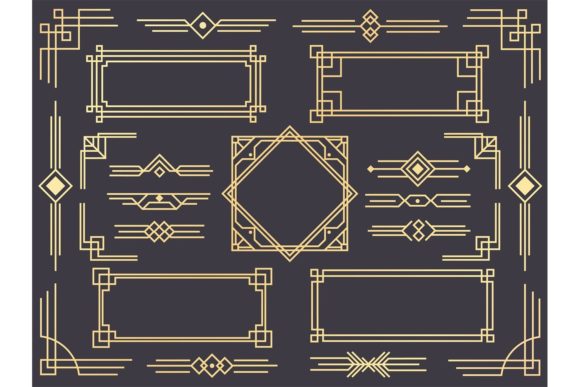
- Geometric precision: Clean lines and structured shapes give Frame Art a modern, luxurious feel.
- Ornamental details: Elements like floral motifs, leaf patterns, and Art Deco designs add depth and character.
- Seamless integration: Frame Art often blends into backgrounds, making it versatile for both print and digital use.
- Timeless appeal: From the 1920s Gatsby era to today’s minimalist trends, Frame Art remains relevant across generations.
This versatility makes it a popular choice for designers looking to add a touch of sophistication without overwhelming the viewer.
Applications Across Different Fields
Frame Art isn't limited to just one industry or medium. Its applications span across various fields, including interior design, graphic design, fashion, and more. Here are some real-world examples of how Frame Art can be used effectively:
- Interior Decor: In home decor, Frame Art can be used as wall art, window treatments, or even as part of furniture design. For instance, a gold-trimmed frame with a subtle geometric pattern can elevate a simple painting into a statement piece.
- Graphic Design: In digital media, Frame Art helps highlight important content. A retro-style border around a product image or a sleek, modern frame for a logo can significantly enhance visual communication.
- Fashion Industry: Frame Art influences textile design, where patterns and textures are woven into fabrics. Think of vintage-inspired prints with ornate borders or modern, minimalistic frames on luxury apparel.
- Branding: Businesses can incorporate Frame Art into their branding materials. A subtle, elegant frame around a company logo or a decorative border on marketing collateral adds a professional touch.
These applications show how Frame Art can be tailored to fit different needs while maintaining its artistic integrity.
Choosing the Right Frame Art for Your Needs
Selecting the right Frame Art involves considering several factors, including the purpose, context, and audience. Here are some practical considerations to keep in mind:
- Style and Theme: Choose a style that complements your overall design. If you're aiming for a classic look, consider Art Nouveau or Art Deco elements. For a modern aesthetic, go for clean lines and geometric shapes.
- Color Palette: Colors play a significant role in how Frame Art is perceived. Gold tones offer a sense of luxury, while blue hues can evoke calmness and professionalism.
- Texture and Pattern: Textured Frame Art can add depth and dimension to a design. Seamless patterns are ideal for backgrounds, while intricate details work well for decorative accents.
- Scale and Proportion: Ensure that the size of the Frame Art is appropriate for its intended use. A large, ornate frame might overwhelm a small space, while a simple, understated frame could get lost in a busy layout.
By carefully evaluating these aspects, you can select Frame Art that not only looks great but also serves its intended function effectively.
Enhancing User Experience with Frame Art
In digital environments, Frame Art can greatly enhance user experience by improving readability and visual hierarchy. For example, using a subtle frame around text blocks or images can help guide the eye and make information easier to digest. This is particularly useful in websites, presentations, and social media content where visual appeal plays a crucial role in engagement.
Moreover, Frame Art can be used strategically to highlight calls-to-action, product features, or important messages. By drawing attention to key elements, it can increase user interaction and improve conversion rates.
Conclusion
Frame Art is more than just a decorative element; it's a powerful tool that enhances both aesthetics and functionality. Whether you're designing for personal use or commercial purposes, incorporating Frame Art can add a layer of sophistication and elegance to your projects. With its timeless appeal and adaptability, Frame Art continues to be a valuable asset in the world of design.