Mandala Decorative Elements Oriental: A Guide to Choosing and Using with Confidence
When it comes to adding a touch of cultural depth and visual harmony to your creative projects, Mandala Decorative Elements Oriental offers a unique opportunity. These intricate patterns, rooted in ancient Eastern traditions, are not just visually appealing but also rich in symbolism and meaning. Whether you're an artist, designer, marketer, or hobbyist, understanding how to choose and use these elements effectively can make all the difference in your final output.
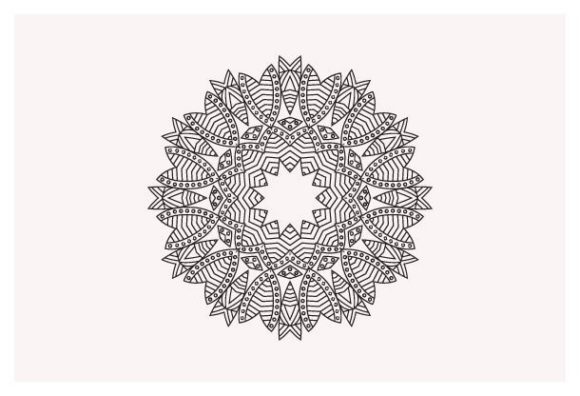
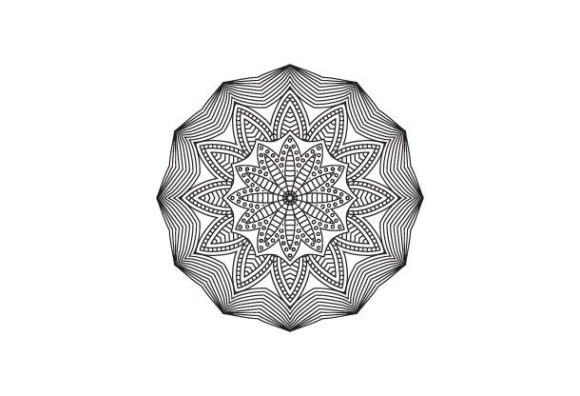
Mandala Decorative Elements Oriental are often used in coloring books, digital illustrations, logos, and more. They come in various styles, from minimalist outlines to complex, layered designs. However, many people overlook important details when selecting or applying them, which can affect the quality, usability, and overall impact of their work.
Why Mandala Decorative Elements Oriental Are Popular
The appeal of Mandala Decorative Elements Oriental lies in their versatility and aesthetic value. These designs can be adapted for both traditional and modern applications. Their symmetrical nature makes them ideal for branding, packaging, web design, and even educational materials. For instance, educators might use mandalas as tools for mindfulness or creativity exercises, while marketers could incorporate them into promotional materials to evoke a sense of calm and tradition.
Moreover, the availability of multiple file formats—such as JPG, PNG, SVG, AI, and EPS—makes these elements accessible for different types of projects. Whether you need a high-resolution image for print or a scalable vector graphic for digital use, there’s likely a format that suits your needs.
Common Mistakes When Choosing Mandala Decorative Elements Oriental
While the options may seem endless, some common mistakes can lead to suboptimal results. One of the most frequent errors is choosing a style that doesn’t match the intended use. For example, using a highly detailed mandala in a logo might result in a cluttered or unprofessional look if not simplified properly.
Misunderstanding File Formats: Another mistake is not considering the right file type for your project. For instance, using a low-resolution JPG for print can lead to pixelation and poor quality. Similarly, neglecting to check whether a vector file (like SVG or AI) is editable in your preferred software can cause unnecessary frustration later on.
Overlooking Licensing Terms: Some users may download free mandala templates without realizing they have limited usage rights. This can be problematic if you plan to use the design commercially or in multiple projects. Always verify the licensing terms before downloading or purchasing any decorative elements.
How to Avoid These Mistakes
To ensure that your use of Mandala Decorative Elements Oriental is both effective and compliant, take the time to evaluate each option carefully. Start by defining the purpose of your project. If you’re creating a logo, opt for a clean and simple mandala design that aligns with your brand identity. If you're designing a coloring book page, consider the complexity and how it will translate to a printable format.
Before downloading any files, check the supported formats and ensure they meet your technical requirements. For example, if you're working in Adobe Illustrator, an AI file would be ideal, while an SVG file would be better for web-based applications. Also, always review the licensing agreement to avoid legal issues down the line.
Another practical tip is to test the design in its intended context before finalizing it. This means previewing the mandala on different backgrounds, sizes, and color schemes to see how it performs. This step can save time and effort in the long run by helping you identify potential issues early on.
Choosing the Right Style for Your Project
Mandala Decorative Elements Oriental come in four distinct styles, each offering a different visual experience. The first style is minimalist, featuring simple lines and negative space, making it perfect for modern and clean designs. The second style is intricate, filled with detailed patterns and textures, ideal for artistic or decorative purposes.
The third style blends traditional and contemporary elements, allowing for a versatile application across various industries. Lastly, the fourth style is abstract, focusing on shapes and forms rather than traditional symbols, which can be great for experimental or avant-garde projects.
By understanding these styles and their characteristics, you can make an informed decision that aligns with your goals. For example, a small business owner looking to create a calming brand identity might prefer the minimalist style, while a digital artist might enjoy experimenting with the abstract version.
Real-World Applications and Examples
Many professionals have successfully integrated Mandala Decorative Elements Oriental into their work. A blogger, for instance, might use a mandala pattern as a header background to add visual interest to their articles. A freelancer designing a website might incorporate mandalas into navigation buttons or icons to enhance user experience.
An entrepreneur launching a new product line could use mandalas in packaging designs to convey a sense of tradition and quality. In contrast, an educator might use simplified mandalas as part of a lesson plan to teach students about symmetry and cultural art forms.
Each of these examples highlights the adaptability of mandalas, but the key is to select the right style, format, and application based on the specific needs of your project.
Final Tips for Success
When working with Mandala Decorative Elements Oriental, remember that quality matters. Always choose high-resolution files and ensure that the design elements are scalable and editable if needed. Additionally, consider combining mandalas with other design elements to create a cohesive and balanced composition.
Lastly, don’t hesitate to experiment with different styles and formats. The beauty of mandalas lies in their flexibility, and by exploring various options, you can discover new ways to incorporate them into your creative workflow.