Mandala Decorative Art: A Guide to Choosing and Using High-Quality Digital Files
Mandala Decorative Art has become a popular choice for designers, artists, and creative professionals looking to add spiritual depth and visual appeal to their projects. These intricate patterns, rooted in ancient traditions, offer a unique blend of symmetry, balance, and beauty that can elevate any design. However, choosing the right Mandala Decorative Art files is not as simple as it might seem. Many creators make critical mistakes that can impact the quality, usability, and overall success of their work.
Understanding Mandala Decorative Art
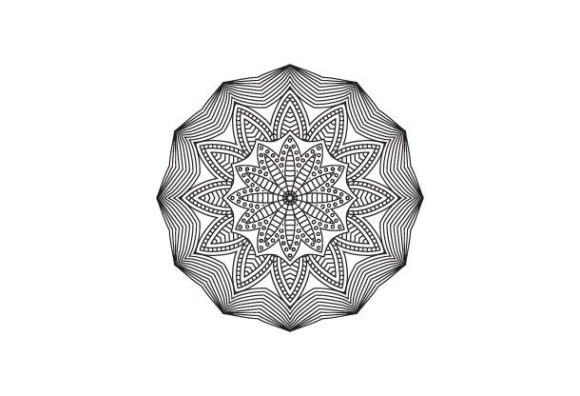
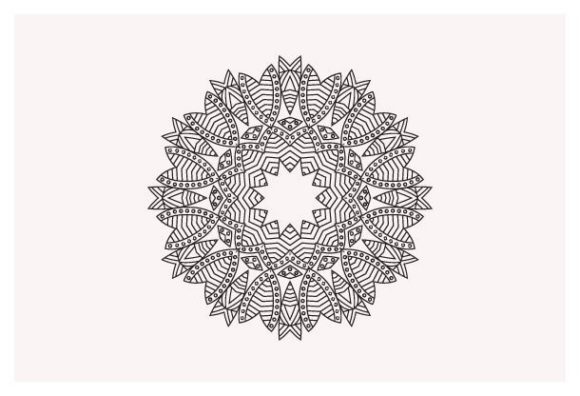
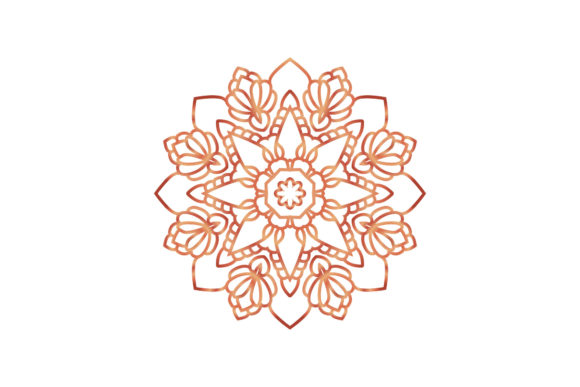
Mandala Decorative Art refers to the use of circular, symmetrical designs that often incorporate geometric shapes, floral motifs, and other symbolic elements. Originating from Hindu and Buddhist traditions, mandalas are used for meditation, healing, and artistic expression. Today, they are widely used in digital art, graphic design, home decor, and more.
For those looking to integrate Mandala Decorative Art into their workflow, having access to high-quality digital files is essential. The right files ensure clarity, scalability, and adaptability across different platforms and mediums.
Common Mistakes When Choosing Mandala Decorative Art Files
While Mandala Decorative Art can be a powerful tool, many users overlook key factors when selecting digital files. Here are some common pitfalls to avoid:
- Ignoring File Formats: Not all file formats are created equal. For example, using a low-resolution JPG for print work can lead to pixelation and poor quality. Always check which formats are available before purchasing.
- Overlooking Resolution: A 1920px X 1280px canvas size is ideal for many digital uses, but if you plan to print or scale the design significantly, higher resolution may be necessary. Be sure to confirm the intended use before finalizing your purchase.
- Not Checking Editability: Some digital files are locked or difficult to edit. If you're planning to customize the design, ensure that you receive editable formats such as AI, EPS, or SVG.
- Underestimating Compatibility: Not all software supports every file type. Before purchasing, verify that the formats provided are compatible with your design tools (e.g., Adobe Illustrator, CorelDRAW, or Cricut Design Space).
What You Should Look for in Mandala Decorative Art Files
To get the most out of your Mandala Decorative Art, it's important to know what to look for when selecting digital files. Here are some key considerations:
- Format Variety: A good Mandala Decorative Art package should include multiple file types to suit various needs. Having AI, EPS, SVG, DXF, JPG, and PNG files ensures flexibility in both digital and physical applications.
- Resolution and Dimensions: Ensure that the files match your project requirements. A 1920px X 1280px canvas is suitable for many digital displays, but if you need larger prints or scalable vector graphics, look for higher resolutions or vector-based files.
- License and Usage Rights: Always check the licensing terms to understand how you can use the design. Some files may only be for personal use, while others allow commercial use. Make sure the rights align with your goals.
- Quality and Detail: High-quality Mandala Decorative Art should have crisp lines, clear colors, and no distortion. Poorly rendered files can detract from the visual appeal of your project.
How to Use Your Mandala Decorative Art Files Effectively
Once you've selected the right Mandala Decorative Art files, the next step is knowing how to use them effectively. Here are a few tips to help you get started:
For Digital Projects: SVG and PNG files are excellent for web use, social media posts, and digital marketing materials. They maintain clarity at different sizes and can be easily edited in graphic design software.
For Print Work: AI and EPS files are vector-based, making them ideal for high-quality printing. They scale without losing detail, ensuring your Mandala Decorative Art looks sharp on posters, banners, and other printed materials.
For Cutting and Crafting: DXF files are commonly used in laser cutting and vinyl cutting machines. If you plan to use your Mandala Decorative Art for DIY crafts or signage, make sure to download the DXF format.
Real-World Examples and Better Approaches
Let’s take a look at a practical example. Imagine you're designing a yoga studio flyer and want to incorporate Mandala Decorative Art. Instead of downloading a low-resolution JPG, choose an SVG or PNG file. This will allow you to scale the image without distortion and apply it to various elements of the design.
If you're creating custom wall art for a client, go with AI or EPS files so you can edit the design, adjust colors, and ensure it meets the client's specifications. Avoid using raster images for large-scale prints—they won’t hold up well and may appear blurry.
Final Thoughts on Mandala Decorative Art
Mandala Decorative Art is a versatile and beautiful addition to any creative project. By understanding the right file formats, resolutions, and usage rights, you can ensure that your designs look professional and meet your specific needs. Whether you're a beginner or an experienced designer, taking the time to choose the best Mandala Decorative Art files will pay off in the quality and impact of your work.
Thank you for visiting my product. What you get is 6 digital files in total—each designed for maximum flexibility and usability. With a 1920px X 1280px canvas size and support for AI, EPS, SVG, DXF, JPG, and PNG formats, you'll have everything you need to bring your creative vision to life. Easy to edit and use, these files are perfect for a wide range of applications. Enjoy exploring the world of Mandala Decorative Art with confidence and clarity.