Comic Book Background: A Timeless Design Element for Modern Projects
Comic Book Background is more than just a nostalgic design element—it's a powerful visual tool that can elevate any project with its bold, vibrant, and storytelling appeal. This illustration set background pattern art brings the essence of 80s and 90s comic book aesthetics into your creative workflow. Whether you're designing a vintage-themed poster, creating decorative elements for branding, or simply looking to add a retro flair to your digital content, Comic Book Background offers a unique blend of nostalgia and functionality.
Understanding Comic Book Background and Its Appeal
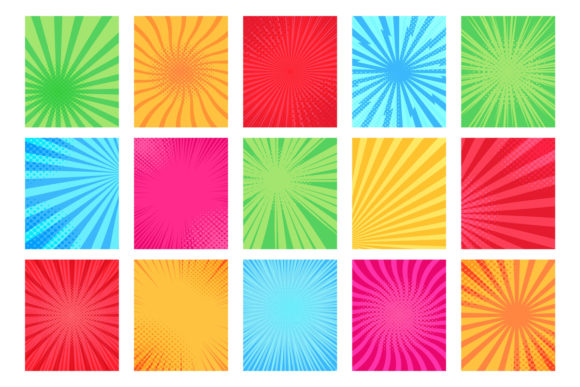
Comic Book Background refers to the artistic style and visual motifs commonly found in classic comic books from the 1980s and 1990s. These backgrounds often feature dynamic panel layouts, exaggerated expressions, vivid color palettes, and intricate linework. They are not only visually striking but also rich in narrative potential, making them ideal for projects that aim to evoke a sense of history, adventure, or pop culture nostalgia.
People are drawn to Comic Book Background for several reasons. It adds character to otherwise plain designs, allows for creative storytelling through visual cues, and connects with audiences who have a fondness for retro media. Additionally, it can be used effectively in both digital and print formats, making it versatile for various applications such as marketing materials, web banners, packaging, and even interior design.
Common Mistakes When Using Comic Book Background
While Comic Book Background is a valuable asset, there are common pitfalls that users often encounter. One frequent mistake is using it without considering the context of the project. For example, applying a high-contrast, overly detailed comic background to a minimalist website can create visual clutter and distract from the main message.
Example: A small business owner might use a full-page comic-style background for their homepage, thinking it will make the site feel exciting. However, this can overwhelm visitors and reduce readability, ultimately harming user experience and conversion rates.
A better approach is to use Comic Book Background selectively—perhaps as an accent or in specific sections like headers, buttons, or sidebars. This way, the design remains clean while still benefiting from the stylistic charm of the background.
Another mistake is failing to check the file format and resolution before downloading or purchasing. The product described includes one EPS10 file and a 72ppi JPEG preview. While EPS files are vector-based and ideal for print, the JPEG preview is low-resolution and should not be used for high-quality outputs. Users who overlook this may end up with blurry or pixelated images when scaling up for large prints or high-resolution displays.
Example: An entrepreneur planning to print posters using the Comic Book Background might assume the JPEG preview is sufficient for print quality. However, using a 72ppi image for printing will result in poor image clarity and a professional-looking outcome.
To avoid this, always verify the file specifications before finalizing a purchase. If print quality is required, ensure that the EPS file is used and that it's compatible with your design software.
What to Check Before Using Comic Book Background
Before incorporating Comic Book Background into your project, consider the following factors:
- Project Context: Will the background enhance or detract from the overall design? Ensure it aligns with the theme, audience, and purpose of your project.
- File Format and Resolution: Confirm whether the provided files meet your needs. EPS is great for print, while PNG or high-resolution JPEGs are better for digital use.
- Licensing and Usage Rights: Make sure you understand the terms of use. Some illustrations may require attribution or have restrictions on commercial use.
- Compatibility: Test the background in your design software to ensure it works well with other elements and doesn't cause technical issues.
By addressing these points upfront, you can save time, money, and effort later on. It also helps maintain the integrity of your design and ensures that the Comic Book Background serves its intended purpose effectively.
How to Use Comic Book Background Effectively
When used correctly, Comic Book Background can become a standout feature of your design. Here are some practical tips for using it effectively:
- Layer Strategically: Place the background behind text or images rather than letting it compete with them. This ensures that the primary message remains clear and readable.
- Use Color Wisely: Comic Book Backgrounds often feature bright colors. To prevent visual fatigue, balance them with neutral or complementary tones in other design elements.
- Experiment with Scale: Try different sizes and placements to see what looks best. Sometimes a smaller, repeated pattern can be more effective than a full-page background.
- Combine with Other Styles: Mix Comic Book Background with modern design elements to create a unique look that bridges the past and present.
These strategies help ensure that the Comic Book Background enhances your project rather than overwhelming it. They also allow for greater flexibility in how and where the background is applied.
In summary, Comic Book Background is a powerful design resource that, when used thoughtfully, can add depth, character, and nostalgia to your work. By understanding its strengths and limitations, avoiding common mistakes, and checking key details before use, you can maximize its value and achieve professional results across a wide range of creative endeavors.