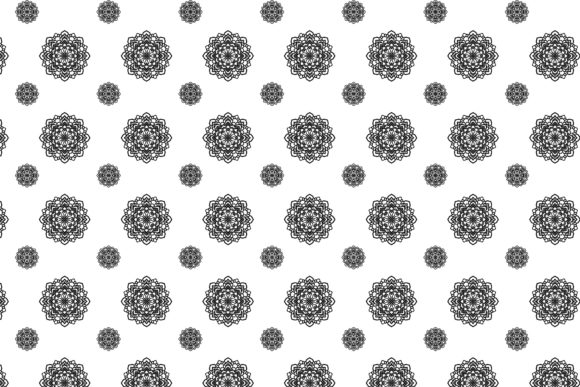
Mandala Decorative Pattern: A Versatile Design Element for Creative Projects
The Mandala Decorative Pattern is a visually striking and culturally rich design element that has been used for centuries in various artistic traditions. Originating from Sanskrit, the word "mandala" translates to "circle," and these intricate patterns are often associated with spiritual and meditative practices. Today, the Mandala Decorative Pattern has evolved into a popular choice for modern design applications, offering both aesthetic appeal and functional versatility.
Whether you're an artist, designer, or hobbyist, understanding the Mandala Decorative Pattern can help you make informed decisions about its use in your creative projects. This article explores what the Mandala Decorative Pattern is, why it might interest you, and how it compares to other design elements.
What Is a Mandala Decorative Pattern?
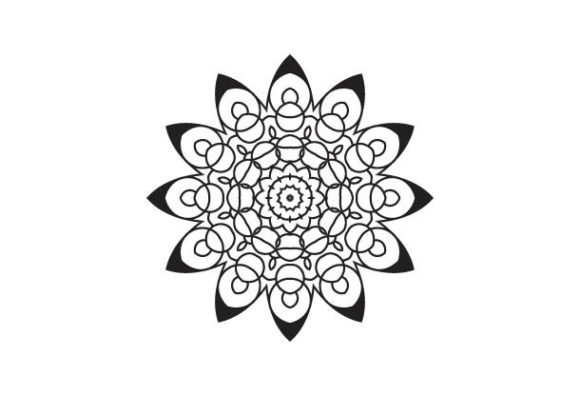
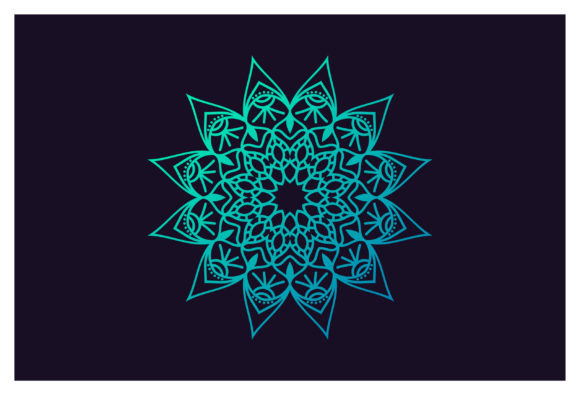
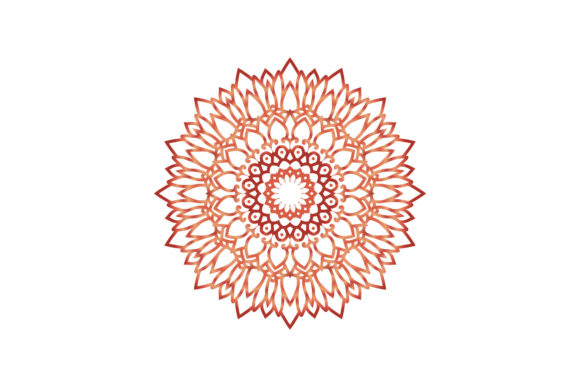
A Mandala Decorative Pattern typically features symmetrical, circular designs composed of repeating shapes, lines, and colors. These patterns are often centered around a focal point and radiate outward in layers, creating a sense of harmony and balance. The complexity and detail of a mandala can vary greatly, ranging from simple geometric forms to elaborate, multi-colored compositions.
Traditionally, mandalas were used in religious and spiritual contexts, such as in Buddhist and Hindu art. However, they have since become widely adopted in contemporary design, appearing in everything from textiles and home décor to digital media and graphic design.
Why You Might Be Interested in the Mandala Decorative Pattern
If you're looking for a design that combines cultural significance with visual impact, the Mandala Decorative Pattern could be an excellent choice. It offers a unique way to add depth, symmetry, and meaning to your work. Here are some reasons why someone might be interested in using this pattern:
- Cultural Significance: Mandalas carry deep historical and symbolic meanings, making them a meaningful addition to any project.
- Visual Appeal: The intricate, symmetrical nature of mandalas makes them visually engaging and suitable for a wide range of applications.
- Versatility: These patterns can be adapted to fit various styles, from minimalist to ornate, depending on the context and medium.
Additionally, if you're working on a project that requires a sense of calm or focus, the Mandala Decorative Pattern may serve as a fitting visual representation of those themes.
Benefits and Tradeoffs of Using the Mandala Decorative Pattern
One of the key benefits of the Mandala Decorative Pattern is its adaptability. With formats like AI, EPS, SVG, DXF, JPG, and PNG, it can be easily edited and integrated into different design software and platforms. This makes it a practical choice for professionals and hobbyists alike.
However, there are also tradeoffs to consider. The complexity of mandalas can sometimes make them challenging to incorporate into simpler or more modern designs. Additionally, the intricate details may require more time and effort to customize effectively.
It's also important to note that while the Mandala Decorative Pattern is highly versatile, it may not be the best fit for every project. For instance, if you're designing something that requires a clean, minimalistic look, a mandala might be too detailed or overwhelming.
Situations Where the Mandala Decorative Pattern Fits Well
The Mandala Decorative Pattern is particularly well-suited for projects where visual richness and symbolism are desired. Some common scenarios include:
- Art and Craft Projects: Mandalas are ideal for painting, drawing, and crafting, especially when aiming to create something with spiritual or meditative qualities.
- Home Décor: From wall art to cushions and tapestries, mandalas can add a touch of elegance and uniqueness to interior spaces.
- Digital Media: Graphic designers can use mandalas in logos, web design, and social media content to create eye-catching visuals.
- Print-on-Demand Products: The pattern works well for items like t-shirts, mugs, and phone cases, offering a distinctive design option.
When Alternatives May Be Worth Considering
While the Mandala Decorative Pattern has many strengths, it's not always the best choice. In certain situations, alternative design elements may be more appropriate. For example:
- Minimalist Designs: If your project requires a sleek, uncluttered appearance, simpler patterns or solid colors might be more effective.
- Modern or Futuristic Themes: Mandalas are rooted in traditional aesthetics, so they may not align with contemporary or high-tech design trends.
- High-Contrast Applications: The intricate details of mandalas can become lost in high-contrast environments, making them less effective in such contexts.
Before choosing the Mandala Decorative Pattern, it's essential to evaluate your specific needs and the overall design goals of your project.
Practical Insights for Decision-Making
When deciding whether to use the Mandala Decorative Pattern, consider the following factors:
- Project Purpose: What message or feeling do you want to convey through your design? Does the mandala support that intent?
- Target Audience: Who will be viewing your design? Will they appreciate the symbolism and complexity of a mandala?
- Medium and Format: Ensure that the chosen format (e.g., AI, SVG) is compatible with the tools and platforms you're using.
- Time and Resources: Are you prepared to invest the necessary time and effort to customize and integrate the mandala effectively?
By carefully evaluating these aspects, you can determine whether the Mandala Decorative Pattern is the right choice for your project.
In conclusion, the Mandala Decorative Pattern offers a unique blend of cultural depth, visual appeal, and practicality. While it may not be suitable for every design scenario, it can be a powerful tool when used appropriately. By considering your goals, audience, and resources, you can make an informed decision about whether this pattern aligns with your creative vision.