Mandala Decorative Style: A Strategic Approach to Enhancing Design and Communication
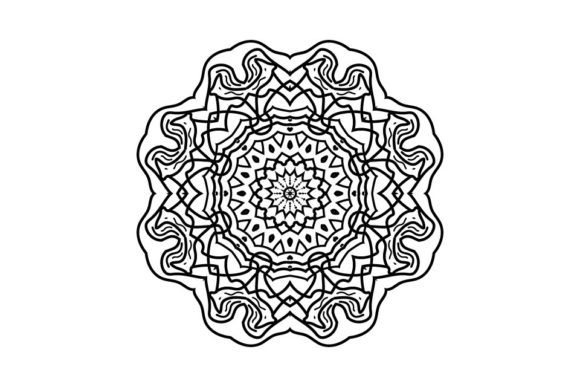
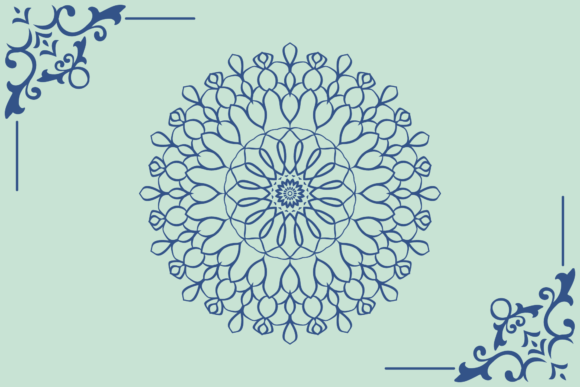
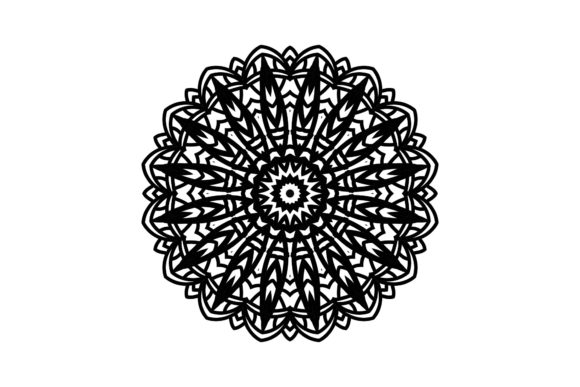
The Mandala Decorative Style is a powerful visual language rooted in symmetry, balance, and spiritual significance. Originating from ancient Eastern traditions, mandalas have been used for centuries as tools for meditation, healing, and artistic expression. Today, this intricate design style has found its way into modern creative practices, offering designers, marketers, and entrepreneurs a unique way to convey depth, intention, and aesthetic appeal. When applied thoughtfully, the Mandala Decorative Style can elevate your projects, whether you're creating branding materials, digital assets, or educational resources.
Strategic Use of Mandala Decorative Style
Integrating the Mandala Decorative Style into your work is not just about aesthetics—it's about strategy. This design approach can be particularly effective when you aim to communicate harmony, focus, and mindfulness. For instance, if you're launching a wellness brand or creating content around mental health, mandalas can serve as visual metaphors that resonate with your audience on an emotional level.
Consider how mandalas can support your broader goals. If your objective is to create a sense of calm and clarity in your designs, mandalas offer a structured yet fluid form that aligns perfectly with these intentions. Their symmetrical nature also makes them ideal for reinforcing concepts like balance and unity—key themes in many industries, including education, business, and personal development.
Planning Your Mandala Decorative Strategy
Before incorporating the Mandala Decorative Style into your work, it's essential to define your purpose. Ask yourself: What message do I want to convey? Who is my target audience? How will this design element contribute to my overall brand identity or project outcome?
- Define your intent: Are you using mandalas for decorative purposes, or do they need to serve a functional role in your communication strategy?
- Understand your audience: Does your audience appreciate symbolic imagery, or would they prefer more straightforward visuals?
- Align with your brand: Does the Mandala Decorative Style reflect your brand values and mission?
By answering these questions, you can ensure that your use of mandalas is intentional rather than arbitrary. This strategic approach helps avoid potential pitfalls, such as misalignment with your brand voice or dilution of your core message.
Practical Applications of Mandala Decorative Style
The Mandala Decorative Style is incredibly versatile and can be adapted to various use cases. Here are a few practical examples of how you can apply this design style effectively:
- Branding and Marketing: Incorporate mandalas into logos, packaging, or social media graphics to evoke a sense of mindfulness and creativity. This is especially effective for wellness, fashion, and lifestyle brands.
- Educational Materials: Use mandalas as visual aids in teaching subjects like mathematics, art, or psychology. Their geometric patterns can help students grasp complex concepts through visual learning.
- Interior Design: Mandalas can be used in wall art, textiles, or furniture design to create visually engaging spaces that promote relaxation and focus.
- Digital Content Creation: Add mandalas to blog posts, presentations, or infographics to enhance visual appeal and guide the viewer's attention toward key points.
Each of these applications requires a different approach to designing with mandalas. For example, when creating branding materials, you may want to simplify the design to maintain brand consistency. In contrast, educational materials might benefit from more intricate and detailed mandalas to support learning objectives.
How to Approach Mandala Decorative Design
Creating effective mandala designs involves a combination of artistic skill and strategic thinking. Here are some tips to help you approach this process thoughtfully:
- Start with research: Study traditional mandala designs to understand their symbolism and structure. This knowledge can inform your creative choices and ensure cultural sensitivity.
- Experiment with variations: Don't be afraid to modify traditional mandalas to suit your needs. You can adjust colors, shapes, and patterns to align with your brand or message.
- Use high-quality assets: If you're working with digital files, make sure to use high-resolution images and scalable formats like AI, EPS, or SVG. These formats allow for easy editing and customization without losing quality.
- Test your designs: Before finalizing your mandala-based visuals, test them with your target audience to see how they respond. This feedback can help you refine your approach and improve your results.
By following these steps, you can create mandalas that are both visually appealing and strategically aligned with your goals.
Risks of Using Mandala Decorative Style Without Clear Intent
While the Mandala Decorative Style offers many benefits, it's important to recognize the risks of using it without clear intent or context. One common pitfall is overusing mandalas in ways that don't support your overall message or brand identity. This can lead to confusion, dilution of your brand voice, or even alienation of your audience.
Another risk is the potential for cultural insensitivity. Mandalas have deep spiritual and cultural significance in certain traditions, so it's crucial to approach them with respect and understanding. Avoid using them inappropriately or without acknowledging their origins.
To mitigate these risks, always consider the context in which you're using mandalas. Ensure that your application is thoughtful, respectful, and aligned with your goals. This will help you avoid unintended consequences and maximize the value of this design style.
Conclusion: Elevate Your Work with Mandala Decorative Style
The Mandala Decorative Style is more than just an aesthetic choice—it's a strategic tool that can enhance your designs, communication, and brand identity. By understanding its symbolism, planning its use carefully, and applying it thoughtfully, you can unlock new opportunities for creativity and impact.
Whether you're a designer, marketer, educator, or entrepreneur, integrating mandalas into your work can help you stand out in a crowded marketplace while conveying meaningful messages. With the right approach, the Mandala Decorative Style can become a valuable asset in your creative toolkit.