Exploring the Art of Easter Egg Graphic Decorative Style in Modern Design
The Easter Egg Graphic Decorative Style has emerged as a vibrant and creative approach to visual design, blending tradition with modern aesthetics. This unique style is characterized by its use of playful motifs, intricate patterns, and festive elements that evoke the spirit of celebration and renewal associated with Easter. Whether you're a professional designer or an amateur enthusiast, incorporating this style into your projects can add a touch of whimsy and charm that resonates with a wide audience.
What makes this style particularly appealing is its versatility. It can be adapted to various mediums and formats, making it suitable for both digital and print applications. From social media graphics to packaging designs, the Easter Egg Graphic Decorative Style offers endless possibilities for creative expression.
The Elements That Define Easter Egg Graphic Decorative Style
At the heart of this design style are several key elements that contribute to its distinctiveness. These include:
- Color Palette: Bright and bold colors such as pastel shades of pink, yellow, and green are commonly used to reflect the springtime theme of Easter.
- Iconography: Symbols like eggs, bunnies, chicks, and crosses are frequently incorporated to convey the essence of the holiday.
- Patterns: Intricate patterns featuring floral motifs, polka dots, and zigzag lines enhance the decorative quality of the design.
- Typography: Playful and cursive fonts are often employed to create a sense of fun and festivity.
These elements work together harmoniously to create a visually engaging design that captures the attention of viewers while maintaining a cohesive aesthetic.
Practical Applications of Easter Egg Graphic Decorative Style
The versatility of the Easter Egg Graphic Decorative Style allows it to be applied across a variety of contexts. For instance, businesses can leverage this style to create eye-catching promotional materials during the Easter season. Retailers might use it to design packaging for Easter-themed products, while event planners could incorporate it into invitations or decorations for Easter parties.
Moreover, educators and researchers can benefit from this style when creating educational materials or presentations that focus on cultural traditions and historical significance related to Easter. Its engaging visuals can help make complex information more accessible and enjoyable for learners of all ages.
Hobbyists and creators also find this style to be an excellent choice for personal projects such as scrapbooking, DIY crafts, or digital art. The ability to customize and personalize designs using this style empowers individuals to express their creativity in meaningful ways.
Advantages of Using Easter Egg Graphic Decorative Style
One of the primary advantages of the Easter Egg Graphic Decorative Style is its ability to evoke positive emotions and create a sense of joy. The use of bright colors and festive imagery can instantly uplift moods and create a welcoming atmosphere. This makes it particularly effective for marketing campaigns aimed at families and children.
Another advantage is its adaptability. Unlike more rigid design styles, the Easter Egg Graphic Decorative Style allows for a high degree of customization. Designers can experiment with different color combinations, layouts, and icon placements to suit specific needs and preferences. This flexibility ensures that the final product remains fresh and relevant across various platforms and audiences.
Additionally, this style promotes inclusivity by celebrating a widely recognized holiday that transcends cultural boundaries. By incorporating elements that resonate with diverse audiences, designers can create content that feels familiar yet innovative.
Considerations When Implementing Easter Egg Graphic Decorative Style
While the Easter Egg Graphic Decorative Style offers numerous benefits, there are certain considerations that designers should keep in mind when implementing it. One important factor is ensuring that the design remains balanced and not overly cluttered. While the inclusion of multiple elements can enhance visual interest, excessive detail may overwhelm the viewer and detract from the overall message.
Another consideration is the appropriate use of scale and proportion. Elements such as eggs and bunnies should be sized appropriately relative to other components of the design to maintain harmony and visual appeal. Careful attention to these details can significantly impact the effectiveness of the final design.
Furthermore, it's essential to consider the target audience when selecting the level of intricacy and complexity in the design. While some users may appreciate highly detailed illustrations, others may prefer simpler, more streamlined visuals that are easier to interpret at a glance.
Tools and Resources for Creating Easter Egg Graphic Decorative Style Designs
For those interested in exploring the Easter Egg Graphic Decorative Style further, there are several tools and resources available that can aid in the design process. Software such as Adobe Illustrator, CorelDRAW, and Inkscape provide powerful features for creating vector-based graphics that can be easily scaled and modified without losing quality.
In addition to software, online platforms like Canva and Figma offer user-friendly interfaces that allow even beginners to experiment with different design elements and layouts. These platforms often include pre-designed templates and assets that can serve as a starting point for creating Easter-themed graphics.
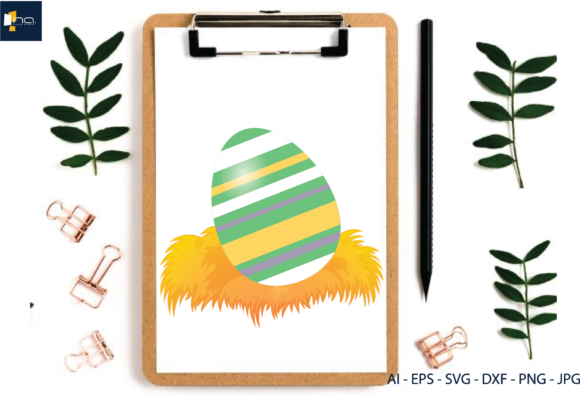
When working with these tools, it's important to take advantage of the various file formats available. For example, receiving designs in formats such as AI (Adobe Illustrator), EPS (Encapsulated PostScript), SVG (Scalable Vector Graphics), DXF (Drawing Exchange Format), JPG (Joint Photographic Experts Group), and PNG (Portable Network Graphics) ensures that the final product is versatile and compatible with a wide range of applications.
Each format has its own strengths and uses. AI files are ideal for editing in Adobe Illustrator, while EPS files are well-suited for high-quality printing. SVG files are perfect for web-based graphics due to their scalability, and DXF files are commonly used in CAD software for technical drawings. JPG and PNG files are both excellent choices for digital displays, with PNG offering transparent backgrounds that can be beneficial for certain design applications.
By understanding the characteristics and capabilities of each file format, designers can ensure that their Easter Egg Graphic Decorative Style creations are optimized for their intended use, whether it be for print, digital media, or commercial purposes.
Thank you for visiting my product. WHAT YOU GET – 6x Digital Files in total, 3000px X 2000px Canvas Size. Receive this design in the following formats – 1 AI File – 1 EPS File – 1 SVG File – 1 DXF File – 1 JPG File – 1 PNG File. Easy to edit and use in your designs.