Decorative Plants Flat Image: A Versatile Design Asset for Creative Projects
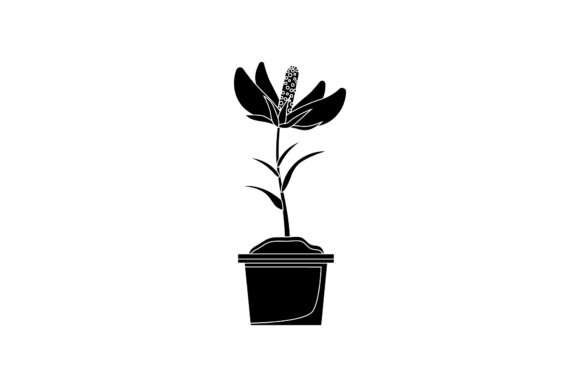
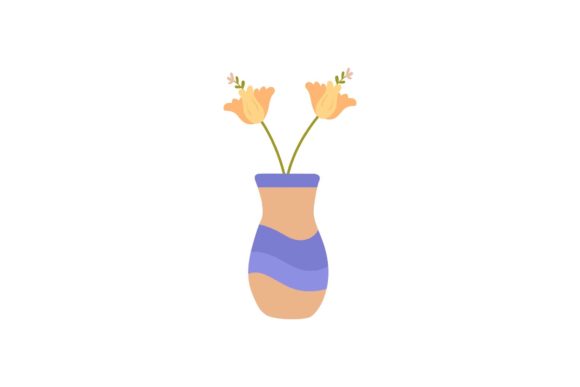
Decorative plants flat image is a digital design resource that offers a stylized, simplified representation of ornamental plants. These images are often used in graphic design, branding, and digital publishing to add visual interest without the complexity of realistic imagery. The appeal of decorative plants flat image lies in their clean lines, consistent color palettes, and adaptability across various platforms and media.
What Makes Decorative Plants Flat Image Unique?
Unlike photorealistic plant images, decorative plants flat image are created using vector-based or illustrative techniques. This approach ensures scalability without loss of quality, making them ideal for high-resolution print or digital displays. They are also typically designed with a minimalist aesthetic, allowing them to blend seamlessly into modern layouts and designs.
The versatility of decorative plants flat image is one of its key advantages. Whether you're designing a website, creating marketing materials, or developing an app interface, these images can be easily customized to match your brand's visual identity. Their flat style also reduces visual clutter, which is especially beneficial in UI/UX design where clarity and focus are essential.
Comparing Decorative Plants Flat Image with Similar Options
When considering decorative plants flat image, it’s helpful to compare them with other types of plant-related design assets. For instance, photorealistic plant images offer a more lifelike appearance but may not be as adaptable for use in different design contexts. On the other hand, 3D renderings of plants provide depth and realism but can be more complex to integrate into flat design workflows.
Another alternative is using stock photos of plants, which can be found on websites like Unsplash or Shutterstock. While these can be effective, they often come with licensing restrictions and may not align perfectly with the artistic direction of a project. Decorative plants flat image, by contrast, are typically royalty-free and designed specifically for creative flexibility.
For those who prefer a hand-drawn look, there are also botanical illustrations available. However, these tend to be more detailed and may not be as easy to edit or scale compared to the streamlined nature of decorative plants flat image.
Strengths and Tradeoffs of Decorative Plants Flat Image
One of the main strengths of decorative plants flat image is their ease of customization. With formats such as AI, EPS, SVG, JPG, and PNG, users have the freedom to modify colors, shapes, and sizes without compromising quality. This makes them particularly useful for designers who need to maintain brand consistency across multiple platforms.
However, there are tradeoffs to consider. Because these images are simplified, they may not be suitable for projects that require a high level of detail or realism. Additionally, while the flat style works well in many contexts, it may not be the best choice for environments where a more organic or natural feel is desired.
Another consideration is the learning curve associated with editing vector files. While tools like Adobe Illustrator or Inkscape can handle AI and EPS files effectively, users unfamiliar with these programs may find the process challenging. Fortunately, many online tutorials and resources are available to help new users get up to speed.
Best-Fit Situations for Decorative Plants Flat Image
Decorative plants flat image are particularly well-suited for a variety of design scenarios. For example, they are commonly used in web design to enhance the visual appeal of landing pages, blog posts, and product listings. Their clean, modern look complements minimalistic layouts and helps draw attention to key content elements.
In the realm of print design, decorative plants flat image can be incorporated into invitations, packaging, and promotional materials. Their scalability ensures that they remain sharp and clear at any size, whether printed on a business card or a billboard.
These images are also popular in digital marketing campaigns, where they can be used to create eye-catching banners, social media graphics, and email headers. The ability to quickly adjust colors and styles allows for seamless integration with different campaign themes and branding guidelines.
When to Consider Alternatives
While decorative plants flat image offer numerous benefits, there are situations where other options may be more appropriate. For instance, if you're working on a project that requires a highly realistic depiction of plants, such as a botanical illustration or a nature documentary, a photorealistic image or a 3D rendering might be a better fit.
Additionally, if you're targeting a younger audience or aiming for a more whimsical aesthetic, hand-drawn or watercolor-style plant illustrations could be more engaging. These alternatives can add a unique, personal touch that flat images may not convey.
It’s also worth noting that some design projects may benefit from a combination of different plant-related assets. For example, using a flat decorative plant image as a background element while incorporating a photorealistic plant in the foreground can create a dynamic and visually interesting composition.
Practical Examples and Use Cases
Let’s say you're designing a website for a wellness brand that focuses on indoor gardening. A decorative plants flat image could be used as a subtle background element on the homepage, helping to reinforce the brand’s theme without overwhelming the viewer. The same image could then be modified with different colors to match the brand’s seasonal promotions.
In another scenario, a boutique hotel looking to update its marketing materials might use decorative plants flat image in its brochures and social media posts. By incorporating these images into the design, the hotel can create a cohesive and inviting visual identity that highlights its commitment to comfort and natural aesthetics.
For a mobile app developer, decorative plants flat image could serve as icons or visual accents within the app interface. Their simplicity and clarity make them ideal for guiding user navigation and enhancing the overall user experience.
Final Thoughts on Decorative Plants Flat Image
Decorative plants flat image are a valuable asset for designers and creators looking to add visual interest to their projects without sacrificing quality or flexibility. Their clean, scalable design makes them suitable for a wide range of applications, from web and print design to digital marketing and app development.
By understanding the strengths and limitations of decorative plants flat image, you can make an informed decision about whether they are the right choice for your specific needs. When used appropriately, these images can enhance the visual appeal of your work while maintaining a professional and polished look.