Decorative Language Leaf Illustration: Strategic Use for Creative and Professional Impact
Decorative Language Leaf Illustration is a unique visual design element that combines the elegance of natural leaf forms with symbolic or linguistic elements. This type of illustration is not just ornamental; it can be a powerful tool in communication, branding, and creative expression. When used strategically, Decorative Language Leaf Illustration can enhance the aesthetic appeal of your projects while reinforcing thematic or conceptual messages.
Understanding Decorative Language Leaf Illustration
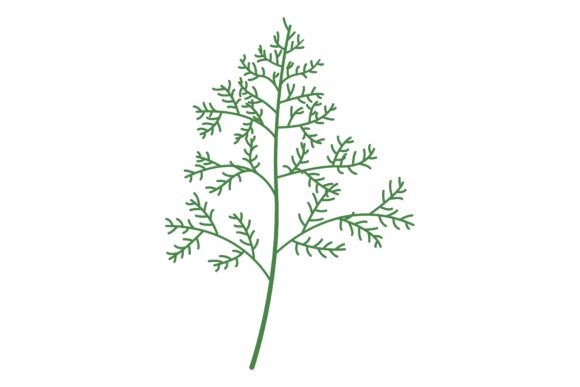
At its core, Decorative Language Leaf Illustration merges typography with botanical imagery. The leaves are often stylized to incorporate letters, words, or symbols within their structure, creating a seamless blend of nature and language. This fusion can be applied across various mediums, from digital graphics to print materials, making it versatile for different industries and purposes.
For professionals such as marketers, educators, and entrepreneurs, this design approach offers a way to convey complex ideas in a visually engaging manner. Whether you're crafting a brand identity, designing educational content, or developing marketing collateral, Decorative Language Leaf Illustration can serve as a strategic asset.
Strategic Applications in Design and Communication
The thoughtful use of Decorative Language Leaf Illustration can support multiple objectives, including strengthening brand identity, improving user engagement, and enhancing the overall aesthetic of your work. For instance, incorporating this illustration into a website header or social media post can create a memorable visual impression that aligns with your brand’s message.
Consider using Decorative Language Leaf Illustration in the following scenarios:
- Branding: Integrate it into logos, packaging, or promotional materials to reflect themes of growth, sustainability, or creativity.
- Education: Use it in presentations, infographics, or learning resources to make abstract concepts more tangible and visually appealing.
- Marketing: Incorporate it into advertisements, banners, or email campaigns to capture attention and reinforce key messages.
- Interior Design: Apply it to wall art, signage, or decorative elements in physical spaces to evoke a sense of harmony and natural beauty.
By aligning Decorative Language Leaf Illustration with your specific goals, you can ensure that it contributes meaningfully to your overall strategy rather than serving as a mere decorative flourish.
Planning and Implementation Tips
Before incorporating Decorative Language Leaf Illustration into your projects, it's important to consider several factors to ensure it meets your needs effectively. Begin by defining your objective—what do you want this illustration to achieve? Is it to reinforce a brand message, enhance a learning experience, or simply add visual interest?
Next, evaluate the context in which the illustration will be used. Will it appear on a digital platform, in print, or as part of a larger design? Each medium may require different considerations regarding resolution, color accuracy, and scalability. For example, high-resolution files such as 1920px X 12800px canvas size are essential for large-format printing or detailed digital displays.
Also, think about the audience you're targeting. A design intended for a professional audience may benefit from a more refined and minimalist approach, whereas a project aimed at children might call for more playful and vibrant illustrations.
Choosing the Right File Formats
When working with Decorative Language Leaf Illustration, having access to multiple file formats ensures flexibility and adaptability. Receiving the design in AI, EPS, SVG, JPG, PNG, and DXF formats allows you to edit and use it across various platforms and applications.
Here's a quick overview of each format and its typical use:
- AI (Adobe Illustrator): Ideal for editing vector graphics and making precise adjustments.
- EPS (Encapsulated PostScript): Suitable for high-quality print production and scalable graphics.
- SVG (Scalable Vector Graphics): Perfect for web-based projects and responsive design elements.
- JPG (Joint Photographic Experts Group): Best for photographs or images with complex color gradients.
- PNG (Portable Network Graphics): Great for transparent backgrounds and web use.
- DXF (Drawing Exchange Format): Useful for CAD software and industrial design applications.
Having these options ensures that you can seamlessly integrate Decorative Language Leaf Illustration into your workflow without limitations.
Risks of Using Decorative Language Leaf Illustration Without Strategy
While Decorative Language Leaf Illustration can be a valuable asset, it's important to avoid using it indiscriminately. Without clear goals or context, it can become distracting or fail to communicate the intended message. Overcomplicating designs with too many elements can lead to visual clutter, reducing the effectiveness of your communication.
Additionally, using this type of illustration inappropriately could misrepresent your brand or message. For example, applying a highly ornate design to a corporate document might undermine professionalism, while a minimalist approach might be better suited for a tech-oriented audience.
To mitigate these risks, always align the use of Decorative Language Leaf Illustration with your strategic objectives. Consider how it contributes to your overall message, and ensure it complements rather than competes with other design elements.
Intentional Use for Long-Term Value
Decorative Language Leaf Illustration should be used with intention, ensuring that it serves a purpose beyond aesthetics. By integrating it thoughtfully into your projects, you can create a lasting impact that resonates with your audience and supports your long-term goals.
Whether you're building a brand, creating educational content, or designing marketing materials, this illustration can be a powerful tool when used with clarity and purpose. Focus on how it enhances your message, reinforces your brand identity, and engages your audience in meaningful ways.
As you explore the possibilities of Decorative Language Leaf Illustration, remember that the most effective designs are those that align with your strategic vision and deliver real value to your audience. With careful planning and thoughtful execution, you can harness its potential to achieve impactful results.